
AI is not coming. It is already here.
And everywhere you look, companies are racing to become "AI First."
The idea makes sense. If you can automate it, you should. If you can speed it up, even better.
That is AI First. Use AI wherever you can to simplify, streamline, and scale.
But here is what often gets missed. You still need to bring people along for the ride.
That is People First. Creating clarity. Creating safety. Making sure your teams feel part of the process, not victims of it.
Because while AI may change how work gets done, it does not change how people experience change.
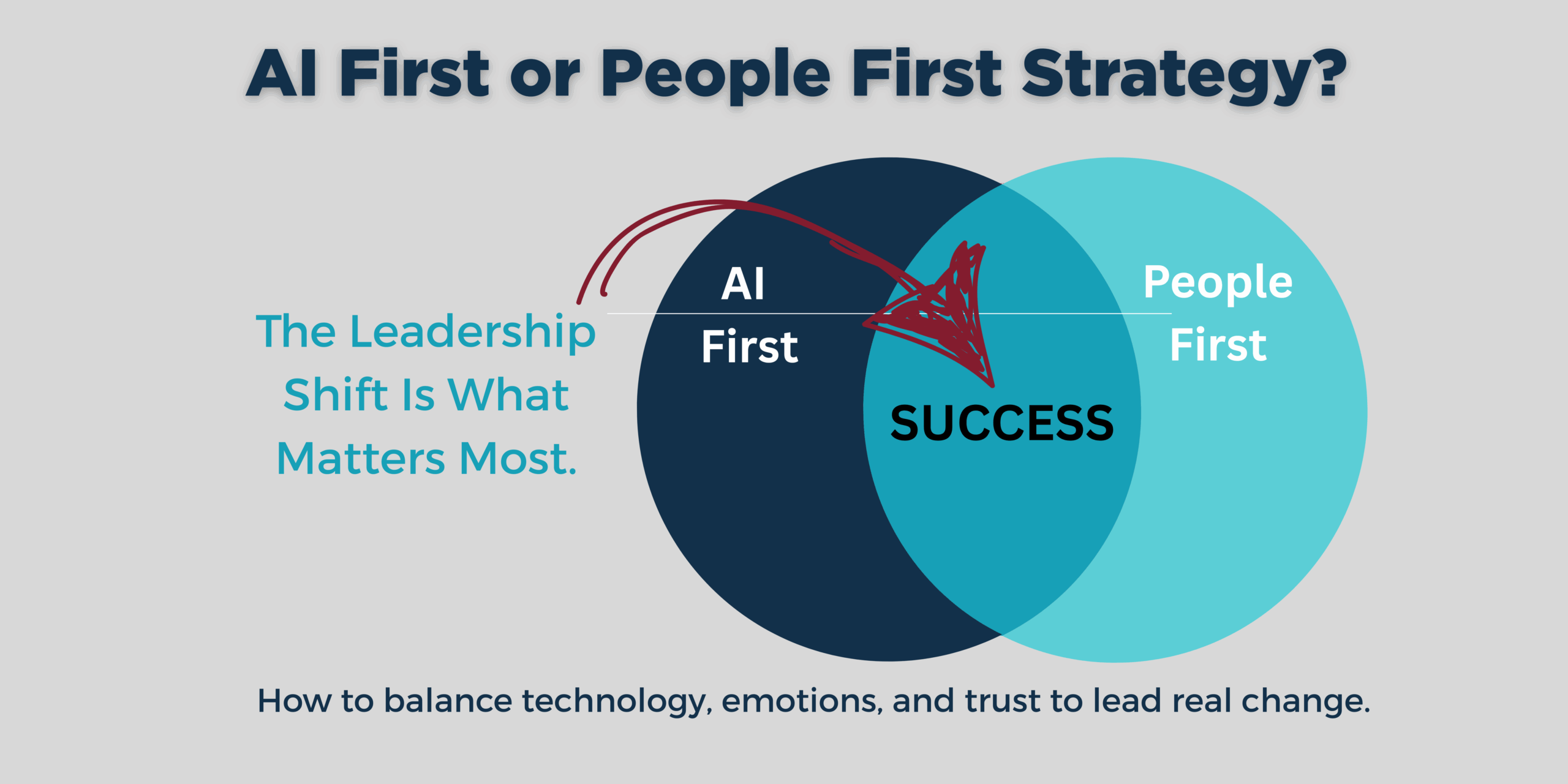
We are not choosing one or the other. The companies who get this right will be AI First with People First leadership.
And I saw this long before AI became the headline it is today.
Where I Learned This Firsthand
Almost a decade ago, I led a global Contract Operations team.
We had teams in India, Romania, and Costa Rica processing every contract that drove revenue into the business.
The work was critical but highly manual. Over time, the process got more complicated. More paperwork. More handoffs. More validations. Layer after layer was added to keep things moving.
The teams knew this process inside and out. And then, the technology caught up.
Suddenly, automation was no longer something coming in the future. It was here. Systems could now eliminate a huge portion of the manual work, reduce errors, and dramatically speed up processing.
On paper, it was a clear win. But leading it was a different story.
The Leadership Crossroads
I had a choice.
We could sit in a conference room, design the new process ourselves, map out the automation, and tell the teams how things were going to change.
Or we could take a different path.
We could bring the people who lived through this work into the solution. The people who knew exactly where the real problems were. The people whose jobs were about to change the most.
That was the better way, but it was also the harder way. Because before we even started, fear was already in the room.
What happens to my job? What happens to my team? Am I helping design myself out of a role?
These are not just questions. These are emotions. Fear. Ego. Uncertainty. Doubt.
Or as I call it: FEUD.
And FEUD shows up anytime you are leading real change.
How We Broke Through: The Magic Wand
To move forward, I used one of my favorite leadership tools.
I asked them, “For a moment, set aside the fear, the unknowns, and the personal impact. Assume your roles are secure and meaningful. If you had a magic wand and could redesign the process from scratch, what would great look like?”
At first, there was silence. But once they realized it was safe to speak, everything shifted.
They knew exactly where we were wasting time. They knew which policies no longer made sense. They knew where handoffs created more problems than they solved.
They did not just raise concerns. They started building the solution.
Because when you create safety, people stop defending what exists and start imagining what is possible.
From Buy-In to Ownership
We did not just gather input and leave them behind. They stayed involved through every step. Design. Testing. Implementation. Fine-tuning.
They helped build the system, so they owned the outcome.
And when automation took over the repetitive work, these managers did not get left behind. Many stepped into new roles, leading governance, managing exceptions, and driving continuous improvement.
They were not fighting the future. They were helping shape it.
Why This Matters Even More Right Now
AI is simply raising the stakes. The technology is more powerful. The pace is faster. The opportunity is bigger.
But the emotional barriers are the same.
AI First strategies will fall flat without People First leadership. Because AI does not replace:
• Trust
• Judgment
• Context
• Emotional intelligence
• Purpose
The Leadership Model That Works
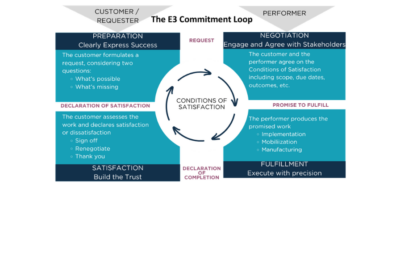
At the core of this is what I call the E3 Leadership Code.
Express. Share the clear "why" behind the change.
Engage. Bring people into the process early.
Execute. Deliver the change together with trust.
And above all, lead with emotional intelligence.
Because behind every system, process, or AI tool are real people managing real emotions. Logic alone does not move people forward. Awareness, courage, empathy, and trust do.
AI may change the work. But emotions move people.
AI will not replace leaders. But it will expose weak leadership very quickly.